Salobreña Events Calendar: Festivals & Fiestas Through the Year
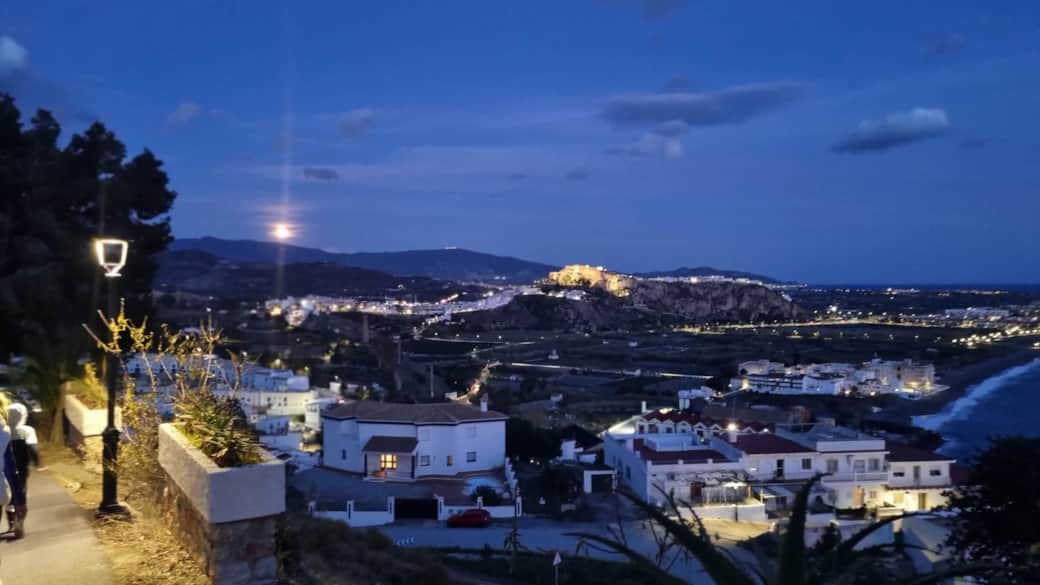
Salobreña is a small white town on the Costa Tropical, but its calendar is full. Every few weeks something is happening: a procession winding through the old town below the castle, bonfires on the beach, a flamenco night under the stars or a whole town walking to the sea. If you are planning a stay at Villa La Colina or Villa Sol y Mar, here is what is on, month by month, so you can join in or simply pick a quieter week.
Exact dates change slightly every year. Before you travel, check the official agenda at turismosalobrena.com.
January – Three Kings
The year starts with the Cabalgata de Reyes on the evening of 5 January. The Three Kings parade through the streets throwing sweets to the crowd, and 6 January (Epiphany) is a public holiday. It is the most magical evening of the year for children.
February – La Candelaria, Carnival and Andalusia Day
On the weekend closest to 2 February, the village of Lobres (part of Salobreña municipality) celebrates its patron, Nuestra Señora de la Candelaria. The day starts early with the Rosario de la Aurora and hot chocolate with churros. In the afternoon procession, neighbours throw popcorn from their balconies onto the Virgin as she passes, a charming local tradition.
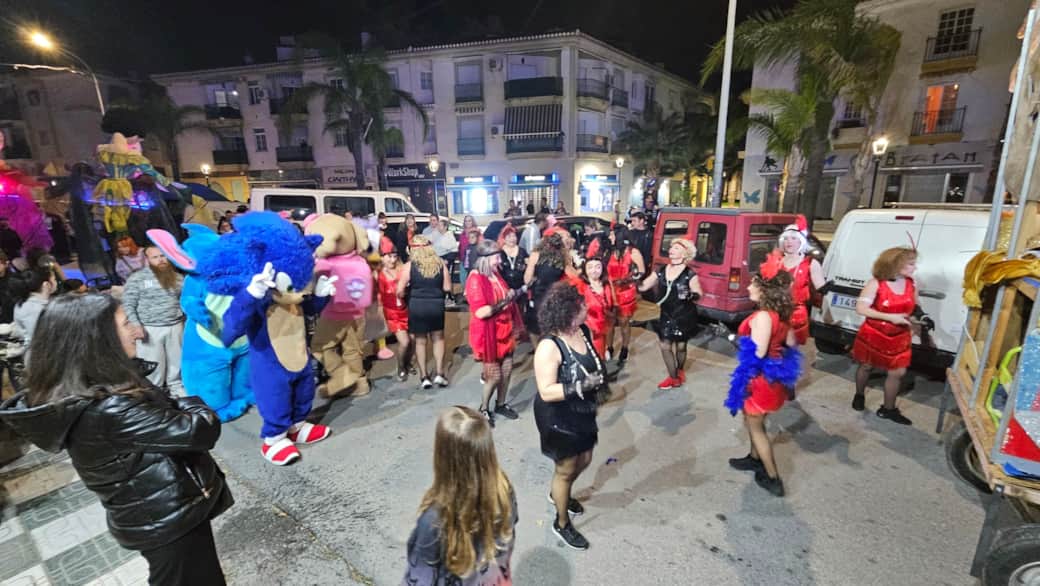
Carnival usually falls in February (its dates follow Easter). Salobreña celebrates with an evening parade of costume groups, music and dancing through the streets of the lower town, and a funfair with rides for children. Bring a costume and join in: everyone is welcome.
28 February is Andalusia Day (Día de Andalucía), a regional holiday with music and celebrations.
March – Film Noir Festival
Salobreña hosts one of Spain's few crime-film festivals, the Muestra de Cine Negro, traditionally held in March at the Auditorio Villa de Salobreña. It features screenings, talks with directors and live performances.
March / April – Holy Week (Semana Santa)
Semana Santa in Salobreña is unforgettable. The brotherhoods carry their images through steep, narrow streets lined with white houses, and the old town makes a stunning backdrop. Do not miss the procession of the Virgen de la Soledad: the Virgin is dressed in mourning without any ornaments and is accompanied in silence by hundreds of women dressed in black. Holy Thursday and Good Friday are public holidays.
May – Cruces de Mayo
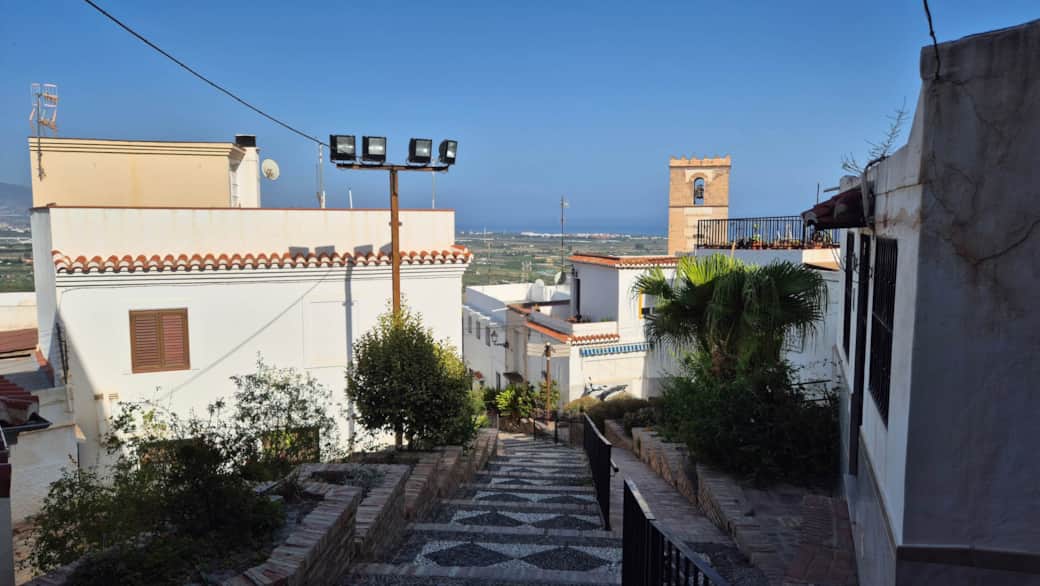
Around 3 May, neighbourhoods decorate large crosses with flowers and set up stalls with music, drinks and tapas. It is a relaxed, local celebration and a lovely way to spend a spring evening in the old town.
June – San Antonio and the Night of San Juan
- San Antonio (13 June), Lobres: a weekend of children's parades, an open-air dance (verbena), a Saturday procession and traditional games on Sunday.
- San Juan (23–24 June): the highlight of early summer. Salobreña celebrates its patron, Saint John the Baptist, with almost a week of fairground rides, concerts by well-known Spanish artists, sports and food events. On the night of 23 June, dozens of bonfires light up the beaches. At midnight there are fireworks while the main bonfire burns, and locals walk into the sea to wash their faces, a tradition said to keep bad luck away for the year. The festivities end with a procession on 24 June.
Tip: San Juan week is one of the busiest of the year. Book early if you want to be here for it.
July – Virgen del Carmen and Summer Nights
- Virgen del Carmen (16 July), La Caleta – La Guardia: the week before is full of sports competitions, a verbena in Parque de la Caleta and the traditional sardine feast (sardinada). On 16 July, after a mass, the statue of the fishermen's patron is carried out to sea in a maritime procession escorted by local boats, followed by fireworks over the water.
- Summer concerts: on summer evenings the town hosts open-air music in small squares and viewpoints around the old town. Check the local agenda for the current programme.
Late July / Early August – Lucero del Alba Flamenco Festival
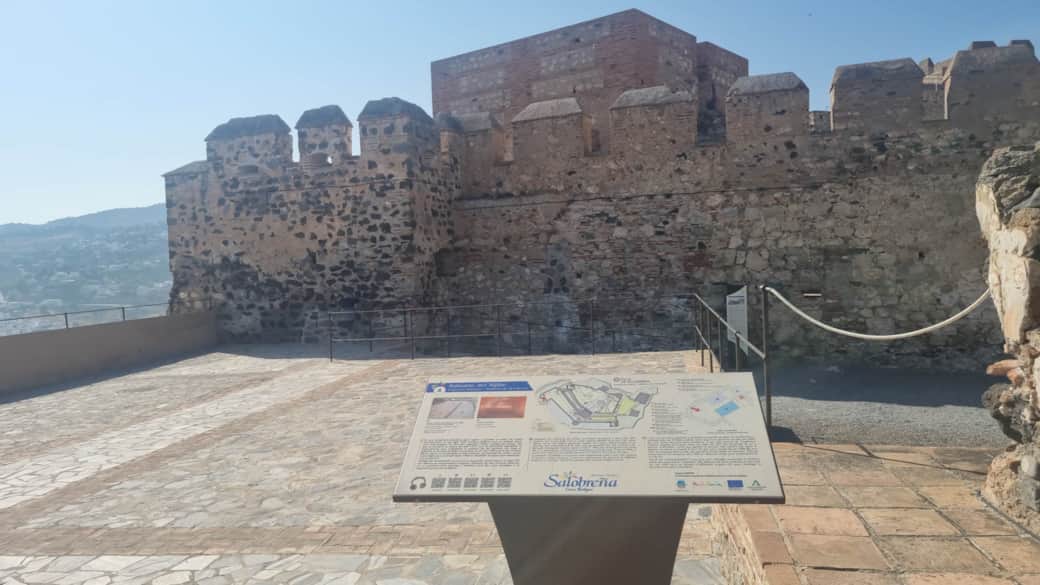
The Festival Flamenco Lucero del Alba is one of the oldest flamenco festivals in the province of Granada, running for more than 55 years. It takes place on a single night, usually at the end of July or the beginning of August, on the Paseo de las Flores at the foot of the castle, starting around 22:00. Live cante, guitar and dance under the Moorish castle walls: if you are here that week, do not miss it.
August – High Summer
August is beach season at its peak, with long evenings, beach bars (chiringuitos) and sardine skewers (espetos) on the seafront. 15 August (Assumption Day) is a public holiday.
October – Virgen del Rosario and the Romería
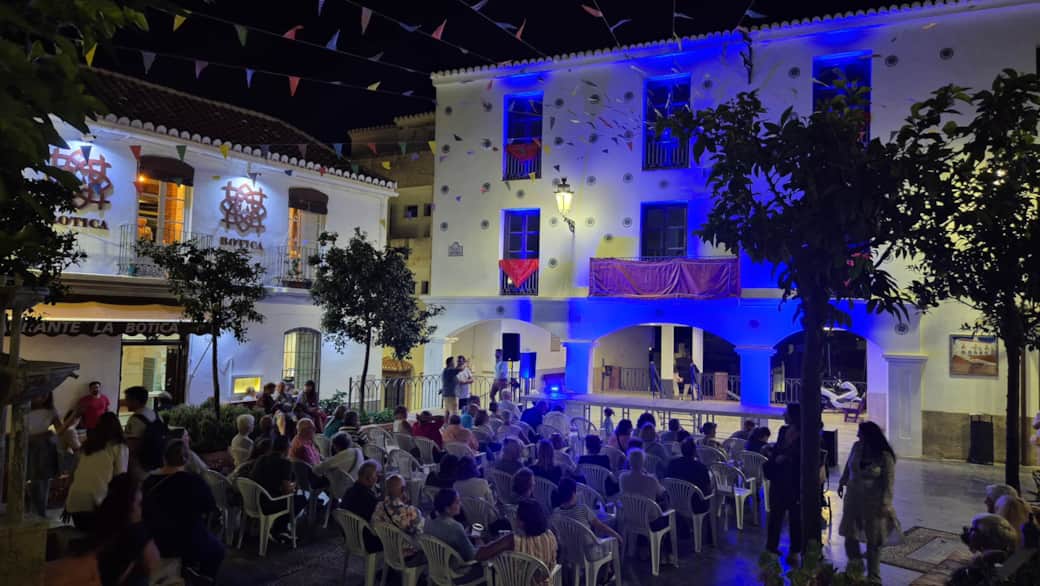
The biggest local fiesta of the year honours Salobreña's patron, the Virgen del Rosario, during the first week of October (her day is 7 October). Expect verbenas, flamenco, communal meals, open-air concerts in the squares of the old town and the religious procession.
The highlight is the Romería on the first weekend of October. Hundreds of people leave Plaza Juan Carlos I and walk to Peñón beach, accompanied by floats decorated with Andalusian motifs, choirs singing to the Virgin and locals in traditional flamenco dresses. The day continues on the seafront promenade with concerts, competitions and an open-air mass. October still has warm weather, so it is a perfect time to visit.
November – December: Quiet Season
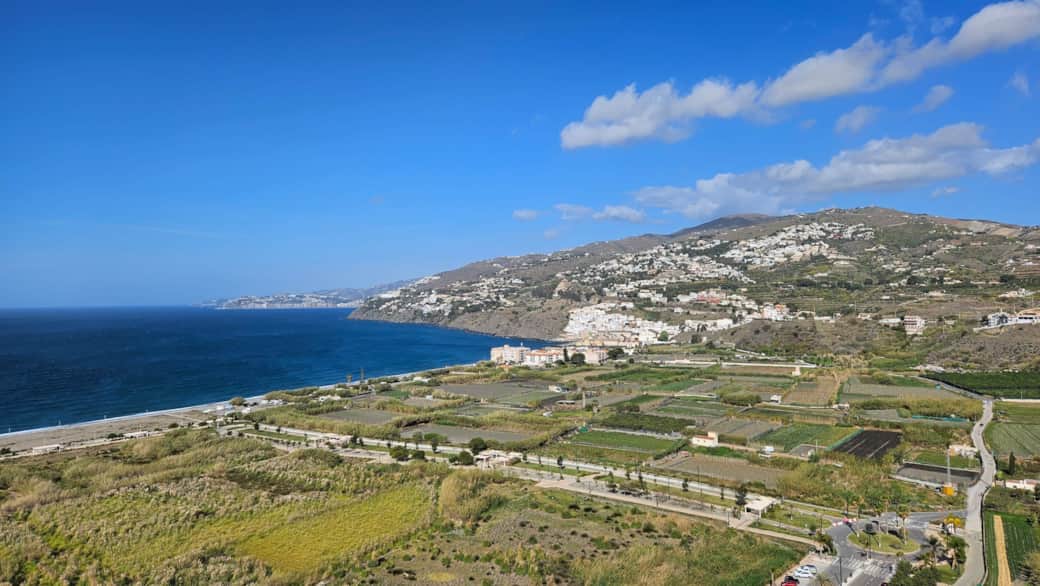
Late autumn and winter are calm, sunny and uncrowded, ideal for hiking, day trips to Granada and the Alpujarra, and long lunches on the seafront. Public holidays include 1 November (All Saints), 6 and 8 December, and Christmas.
Food Events Throughout the Year
Look out for Saborea Salobreña (Savour Salobreña), the town's food programme. It includes tapas routes, special menus in bars and restaurants and cooking workshops with local produce such as fried fish, espetos and tropical fruit from the valley.
Beyond Salobreña
Granada is about an hour's drive away. In late spring the city celebrates its Corpus Christi Fair, and in June and July the International Festival of Music and Dance hosts concerts in historic venues, including the Alhambra.
Planning your stay? Villa La Colina and Villa Sol y Mar make a comfortable base for the fiestas, with a private pool and jacuzzi to come back to afterwards. Check availability and book directly for the best rate.